



1
/
7
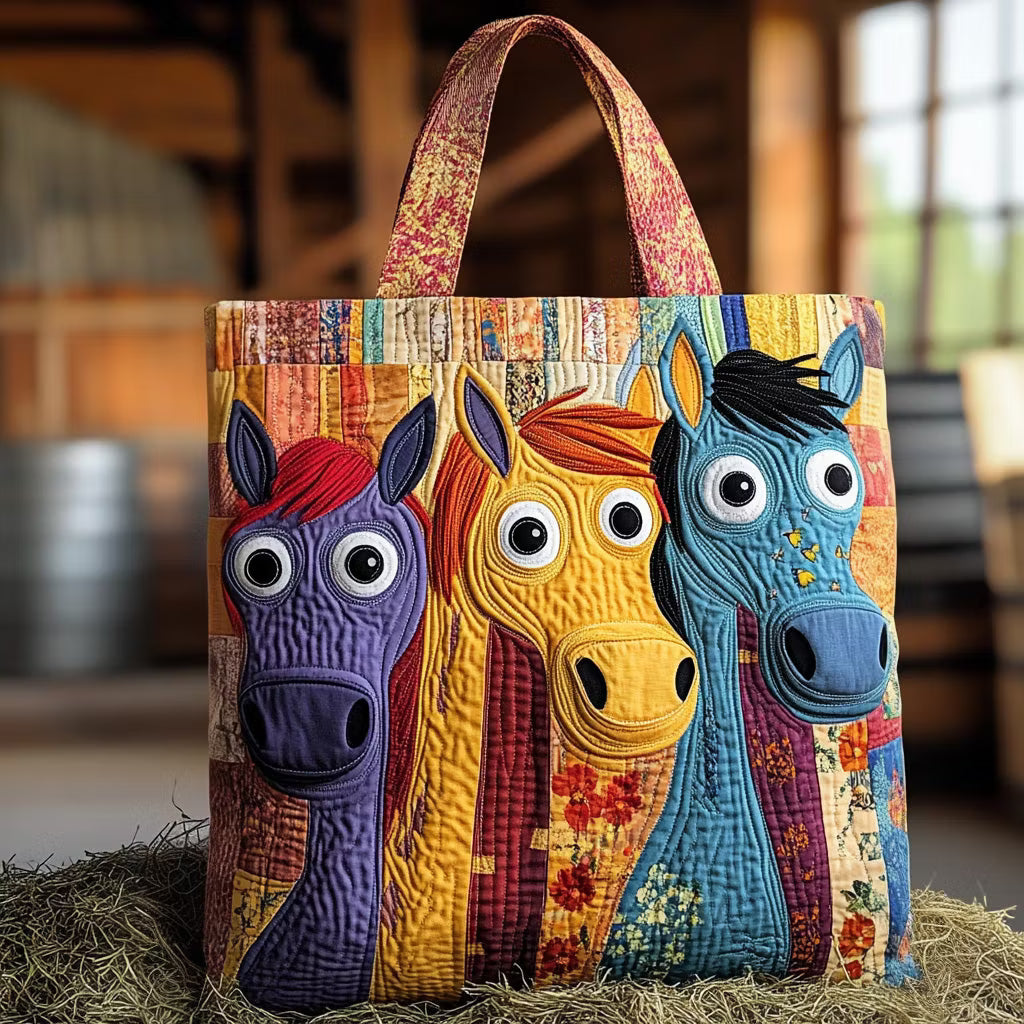
Clara's Animal Tote Bag
-

Eco-Friendly
-

Machine Washable
-

Handcrafted with Love
$59.00 USD
Quantity
Handcrafted in Giles County, Tennessee
Clara Mae Dunbar, 65, Giles County TN — her final collection. One animal, one bag at a time, like always.
"People always ask me why animals. I don't have a good answer — I just know that when you carry a bag with a creature on it that means something to you, you carry it differently. More proudly. Like you're telling people a little bit of your story without saying a word."

Clara Mae Dunbar, 65
Farm quilter from Giles County, Tennessee. Clara grew up on a cattle farm where horses, chickens, and deer were part of daily life. Her grandmother taught her to quilt on the front porch at age nine. The first animal she ever appliquéd was a chicken — at fifteen, on the kitchen table. Now, after 56 years and over 4,000 handcrafted bags, Clara is closing her workshop for good and moving to Knoxville to be near her daughter. This is her final animal collection.
What you get:
1 quilted Animal Tote
16" × 13", handcrafted
16" × 13", handcrafted
Hand-appliquéd animal motif
Individually cut & finished
Individually cut & finished
Maker's tag inside
Clara's initials & year
Clara's initials & year
Gift-ready packaging
Ready to give or keep
Ready to give or keep
What makes this tote different
Real quilted construction Cotton-poly face, batted interior, wave-stitch quilting — the bag holds its shape fully loaded, instead of collapsing like a cheap printed tote.
Hand-appliquéd animal — not printed Every animal motif is individually cut, layered, and hand-stitched onto the panel. It won't peel, crack, or wash off like a printed graphic ever would.
Handles that don't rip Wide reinforced canvas handles, bartacked at the stress points. They don't dig into your shoulder and they won't give out — even with a full grocery load.
Roomy & practical 16" × 13" — fits a laptop, library books, a water bottle, and your farmer's market haul with room to spare. Interior lining wipes clean.
A conversation starter Women who carry this bag report being stopped constantly — "Where did you get that?" It's a small thing that makes every outing a little friendlier.
Built to last for years Customers have been writing to Clara for decades about bags still going strong after 10, 15, even 20 years. This isn't fast fashion — it's the last bag you'll need to buy.
Why handcrafted totes outlast the rest
"The difference between a handcrafted quilted tote and a mass-produced alternative comes down to three things: the batting, the stitching density, and the handle attachment. A properly batted and wave-stitched tote distributes load evenly and resists deformation — meaning it holds its shape for years instead of months. Bartacked handles at reinforced stress points are the single most reliable indicator of long-term durability in a fabric tote. Most fast-fashion totes skip all three."
Perfect for
Farmer's market Library runs Mother's Day gift Animal lovers Cottagecore aesthetic Travel carry-on Grandma & Mom Everyday work tote
Quality you can see — and feel
- Real handcraft — not fast fashion, not factory-made, not dropshipped from a warehouse
- Wave-stitch quilting — gives the bag structure and body, holds shape when fully loaded
- Hand-appliquéd animal motif — fixed to the panel, not printed; survives washing and daily use
- Bartacked handles — reinforced at every stress point, won't rip or unravel
- Maker's tag inside — Clara's initials and the year, sewn into the inner seam
- Truly limited — only ~532 remaining from her final run; no restock once she moves this fall
100% Money-Back Guarantee Carry it to the farmer's market. Take it to work. Bring it to the library. If you don't love it — for any reason — send it back for a full refund. No questions asked. Clara's words: "These bags should only go home with people who'll actually love carrying them."
Please note: Every bag is handcrafted individually. Small variations in stitching density, quilting pattern, and appliqué placement are natural — that's not a defect, that's what real handcraft looks like. No two are identical.
Product details
Material
Cotton-poly blend, batted interior
Construction
Wave-stitch quilted, hand-appliquéd animal motif
Dimensions
16" tall × 13" wide (40.5 × 33 cm)
Handles
Reinforced canvas, bartacked — shoulder carry
Interior
Smooth lining, wipes clean
Care
Machine wash gentle, air dry
Maker's tag
Clara's initials & year, sewn inside seam
Made in
Handcrafted in Giles County, Tennessee
Availability
~532 remaining · Final run · Closes this fall
Reviews
4.9 ★ · 612 verified reviews